

Partner track 5 of 9
Cooling and marine
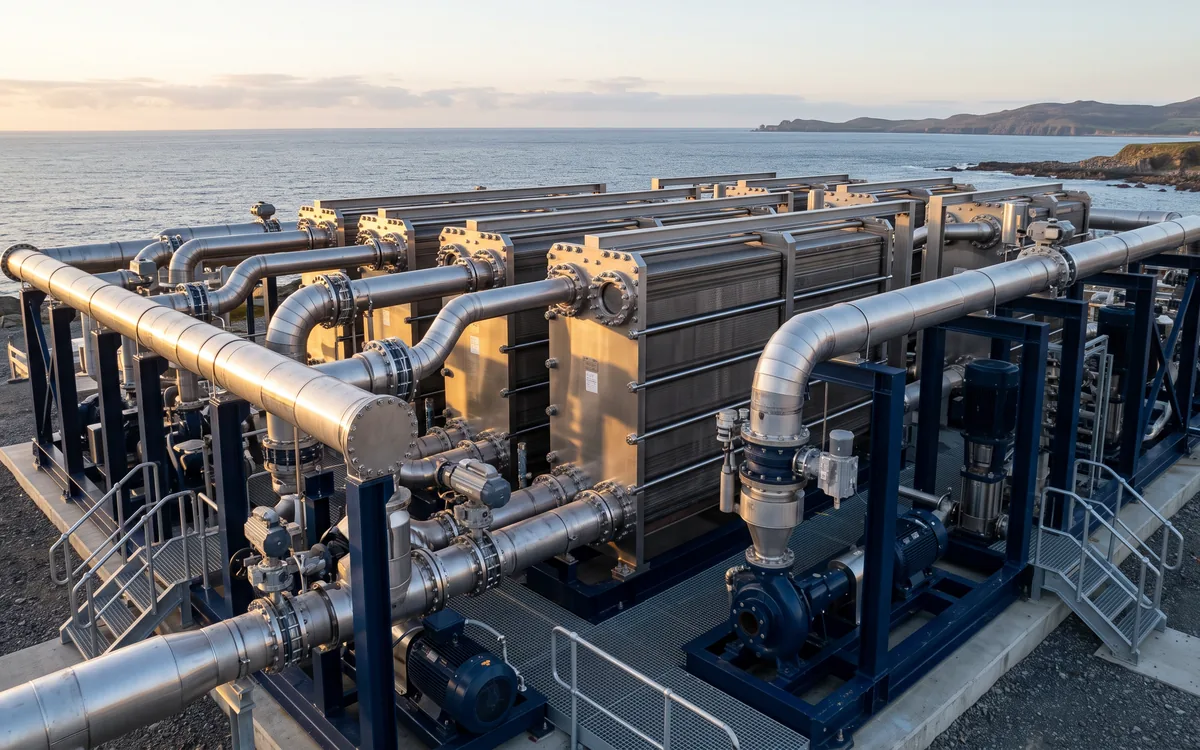
Seawater-assisted cooling is the site's distinctive advantage and its largest permitting risk.
The opportunity
The site's distinctive advantage: seawater-assisted cooling through sealed exchangers instead of evaporating freshwater. The project owns the marine studies and permits and offers the build to marine contractors.
What we expect
Marine and coastal engineers, accredited environmental consultants, and liquid-cooling specialists; the marine survey and coastal approvals are approached before financial close.
What to send
One comparable marine, coastal or cooling assignment: scale, location, year, your role, and your accreditation where the law requires it.
Why this track matters to the project
Seawater-assisted cooling is the site's distinctive advantage and its largest permitting risk. The project will own the marine studies and the coastal permits, and offer the build to marine contractors; liquid cooling inside the halls follows once the design basis is set. Which coast and which exact locations host the intake and outfall is an open technical question that the marine and coastal studies will answer.
Disciplines in this track
Each discipline carries the stage at which Tech Innovations expects to engage it. Priority engagement means Tech Innovations is approaching this discipline before financial close. Register interest for a later phase means a submission is welcome now and is held until the project reaches that stage.
Seawater and marine heat-exchange engineering
This is the site's distinctive feature and its largest permitting risk. The project will own the studies and permits, and offer the build to marine contractors.
Priority engagement
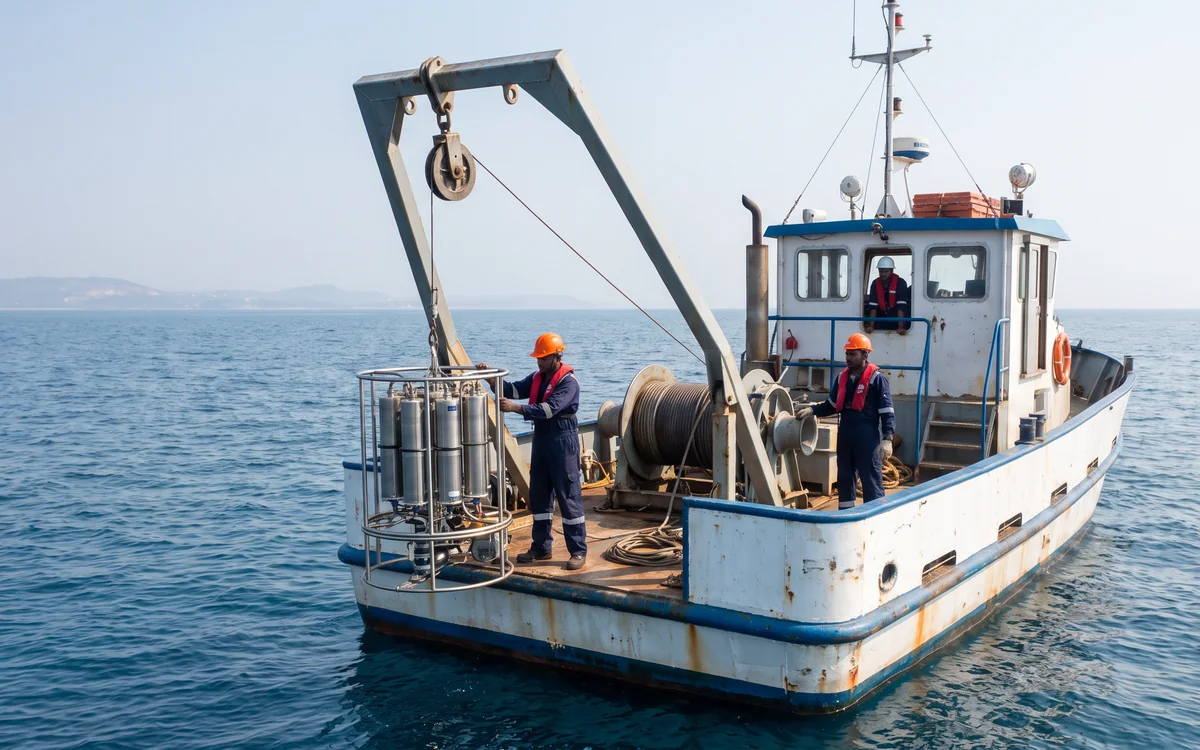
Environmental and coastal consultants
Only accredited consultants can file environmental impact assessments; the project needs high tide line demarcation, coastal regulation work, marine ecology and plume modelling, and fisheries consultation.
Priority engagement
Liquid cooling
Current AI racks require liquid cooling. The cooling supply chain consolidated in 2025 and 2026 into the large electrical and HVAC groups.
Register interest for a later phase
What we ask you to show
Before anything else, the capability submission asks for up to three comparable assignments, completed or in operation, with the year, location, your role, the scale in the measure that fits your discipline, the status and a way to verify it. Newer specialist firms may present documented pilots and the founding team's record instead, clearly labelled. Then, for this track:
- Seawater and marine heat-exchange engineering
- Operational open seawater intake and outfall references, flow and temperature envelopes, biofouling and corrosion controls, pumping head and power, marine permissions, environmental monitoring and fallback. Coastal references are required.
- Environmental and coastal consultants
- High tide line and coastal regulation zone work, environmental impact assessments, marine ecology, fisheries consultations, hydrodynamic and plume modelling, field and laboratory capability, and statutory acceptance records.
- Liquid cooling
- Deployed kW per rack, coolant distribution capacity, direct-to-chip or immersion references, failure modes and maintenance, water and energy consumption, and independent test results.
What happens next
Organisations that Tech Innovations screens and accepts receive, after a confidentiality agreement, the marine scoping, the study terms of reference and the thermal design basis for their discipline from Tech Innovations. The coastal and marine team is among the project's first approaches; liquid-cooling suppliers are engaged before construction.
Make a capability submission
Comparable work first. Screening by people. Nothing committed on either side until the document that records it says so.
No intake or outfall location is assumed and no cooling performance is guaranteed. Marine feasibility and coastal approvals stay independent of any cooling vendor's sales case. Tech Innovations decides how to proceed at every stage. A capability submission creates no entitlement to selection, consortium membership, contract award, equity or access to project information. Organisations must disclose conflicts of interest.